
Last week I walked a stretch of the Fife Coastal Path, a long-distance trail of around 117 miles (188km) following the Scottish coastline. I parked in Anstruther and walked less than 6 miles (3.5 km) through Pittenweem, St Monans and back, with a heavy backpack full of sketchbooks, pencils, watercolours and brushes that I did not use once. The weather was glorious. The sea was extraordinary. And every single time I stopped to think about opening my bag, something in me just wanted to keep walking. That restlessness is not unfamiliar. More than once, a plein air session has dissolved into an aimless wander with a backpack that gets heavier with every mile. There is a voice that says: Just a little further, you will paint there. And by the time I got there, I wanted to go a little further still.
I came home with a sore back, over 200 photographs and the sounds of the harbour recorded on my phone: wind, water, seagulls, the low rumble of fishermen at work. Not a single sketch made. On one level, I was annoyed with myself. But on another level, I know that something had happened out there. The landscape had come in through a different lens.
Back in the Studio: From Observation to Abstraction
The real work began at home. The photographs, the sound recordings, and a handful of things picked up from the beach - this week became about translating those raw experiences into visual language.
Abstraction Through Photography
From these photographs, I selected key images and arranged them into photo grids. These grids became a simple but effective way of exploring the abstraction of the landscape, allowing patterns, colours, and textures to emerge more clearly. They also provided an immediate sense of satisfaction, offering a quick visual overview of how the landscape could be translated into more abstract compositions.
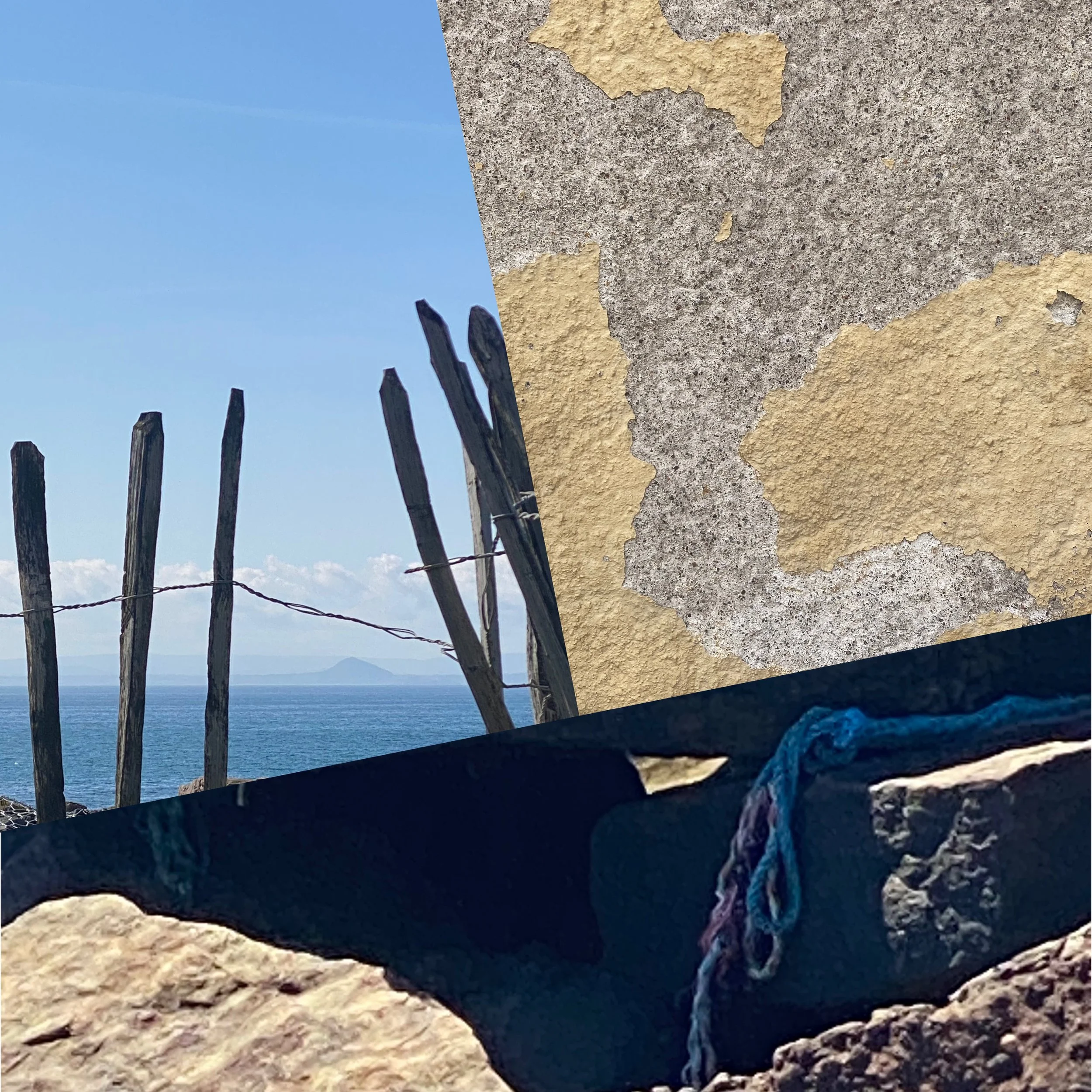
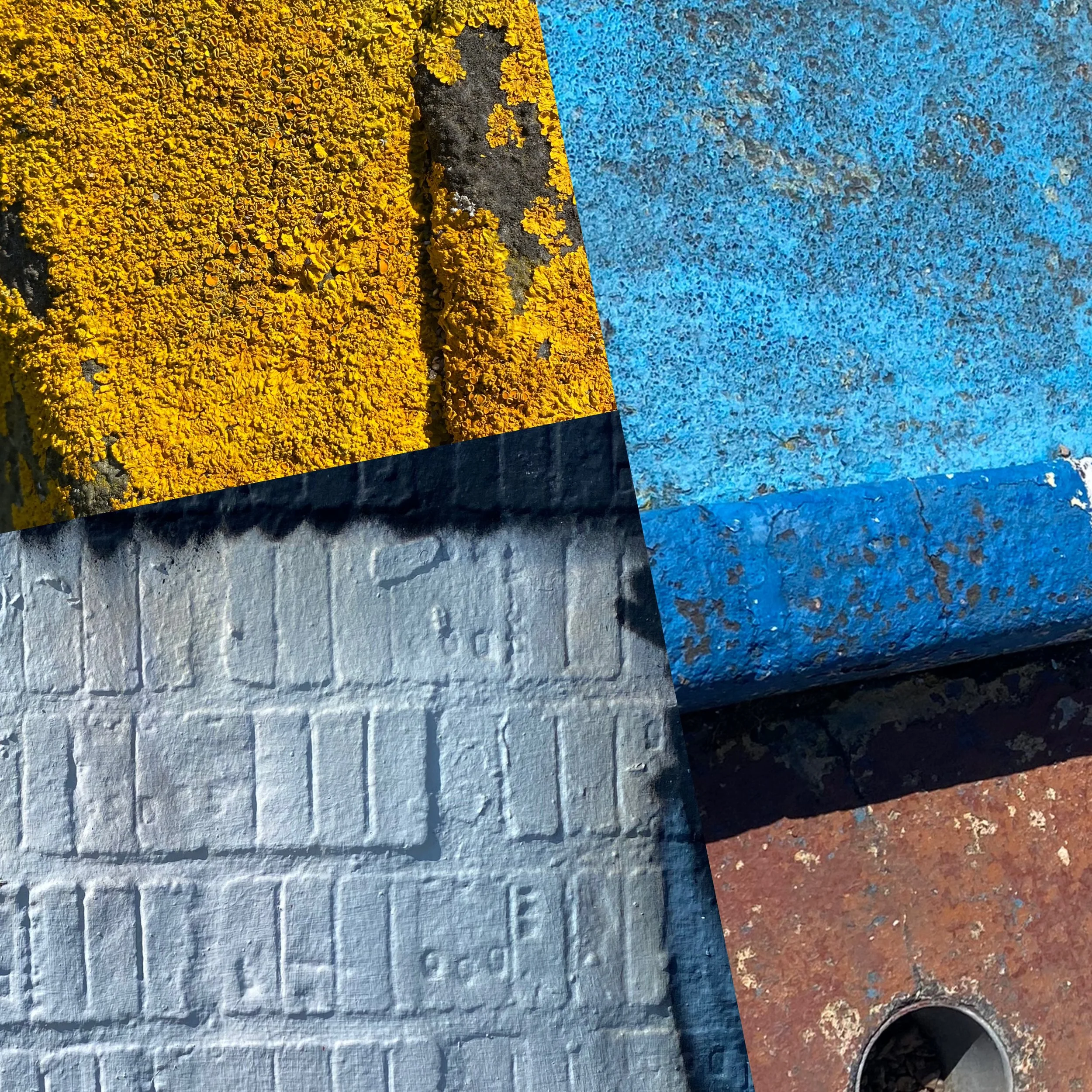
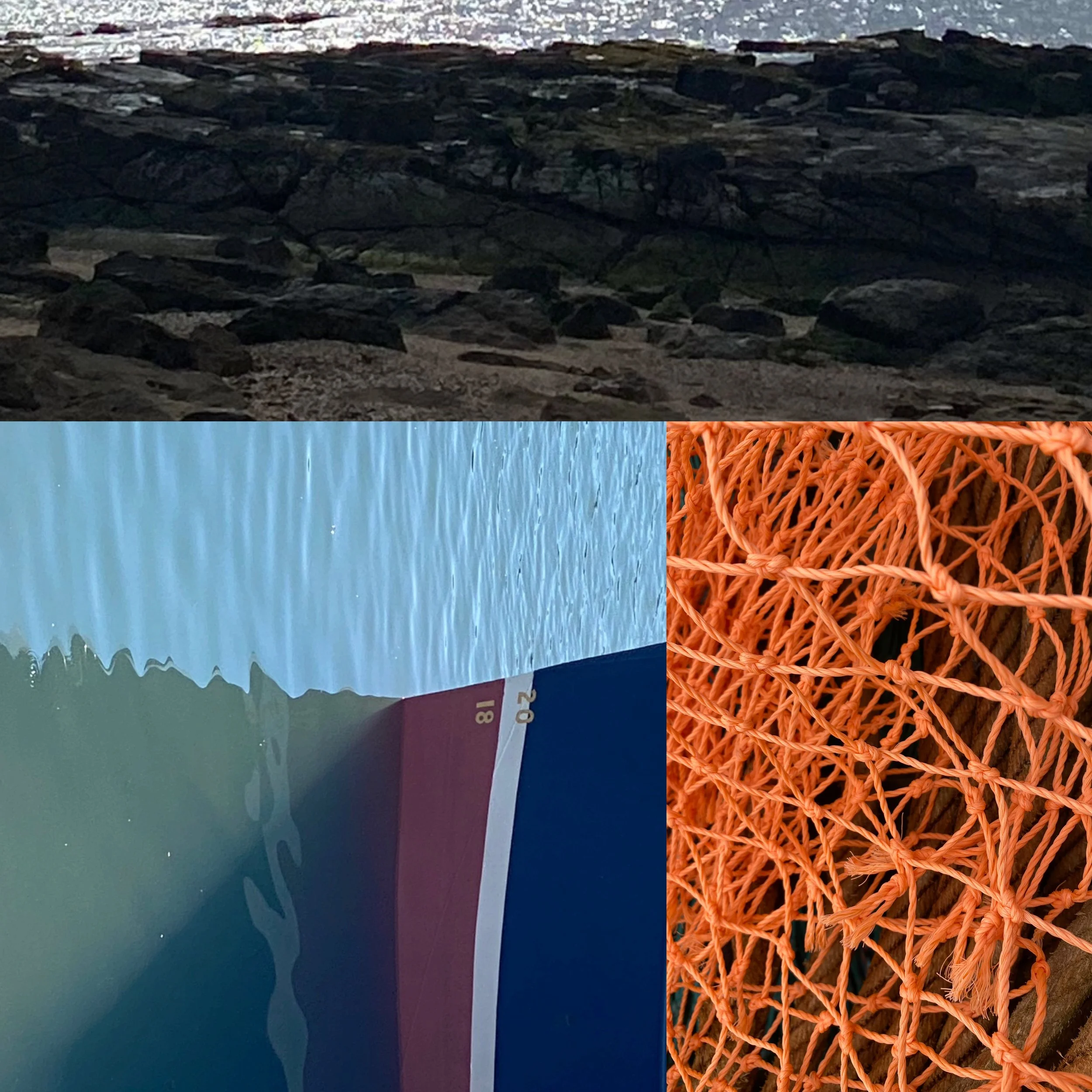
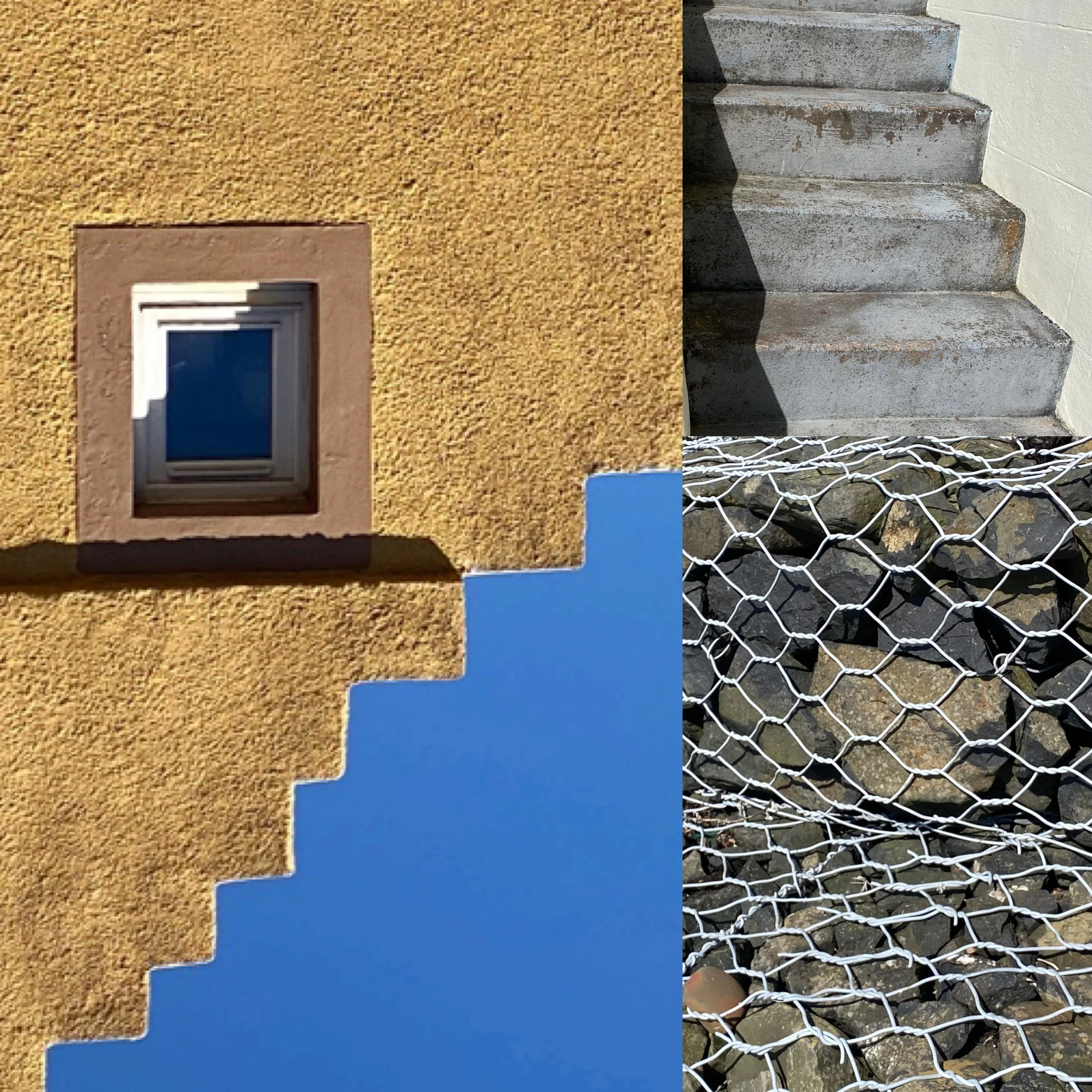
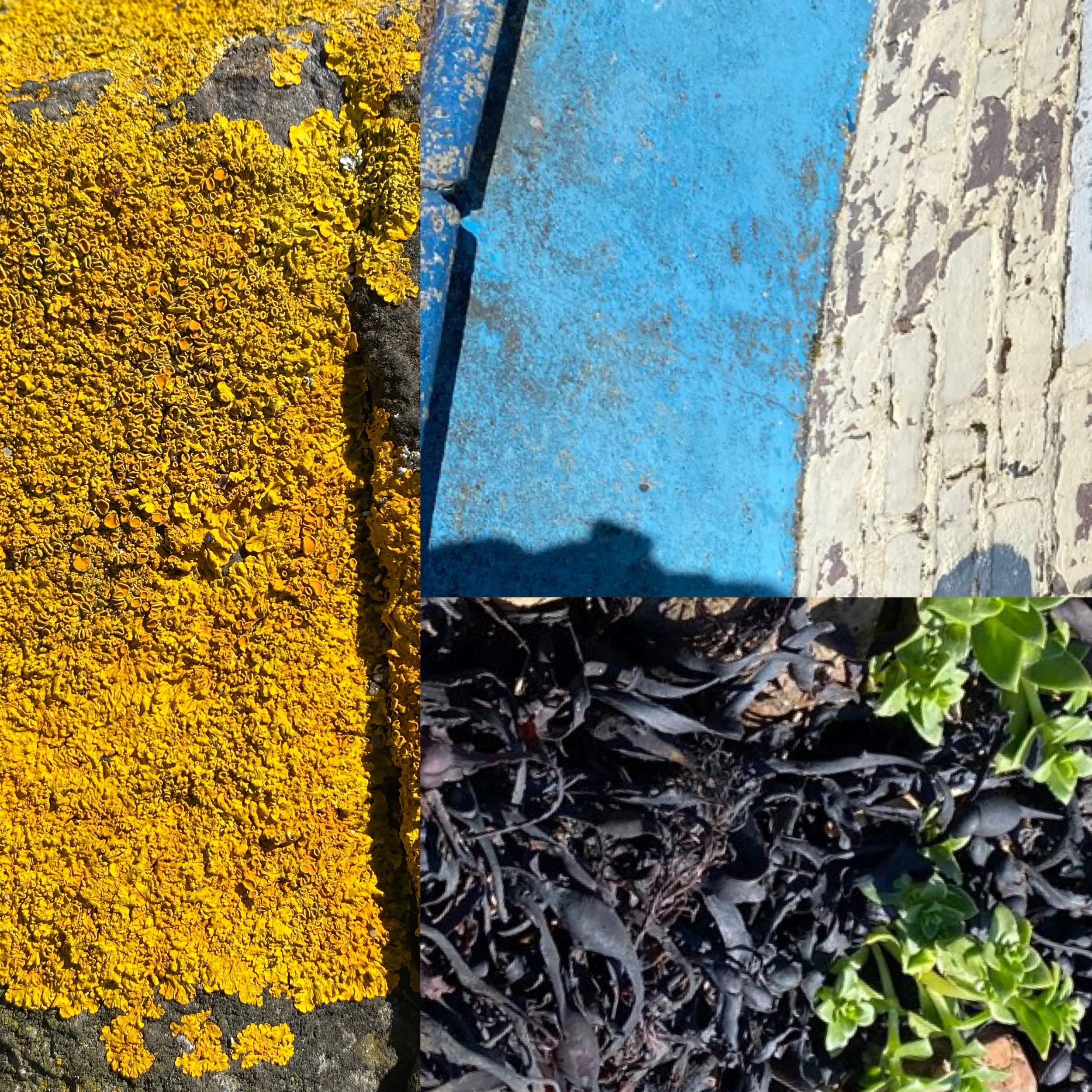
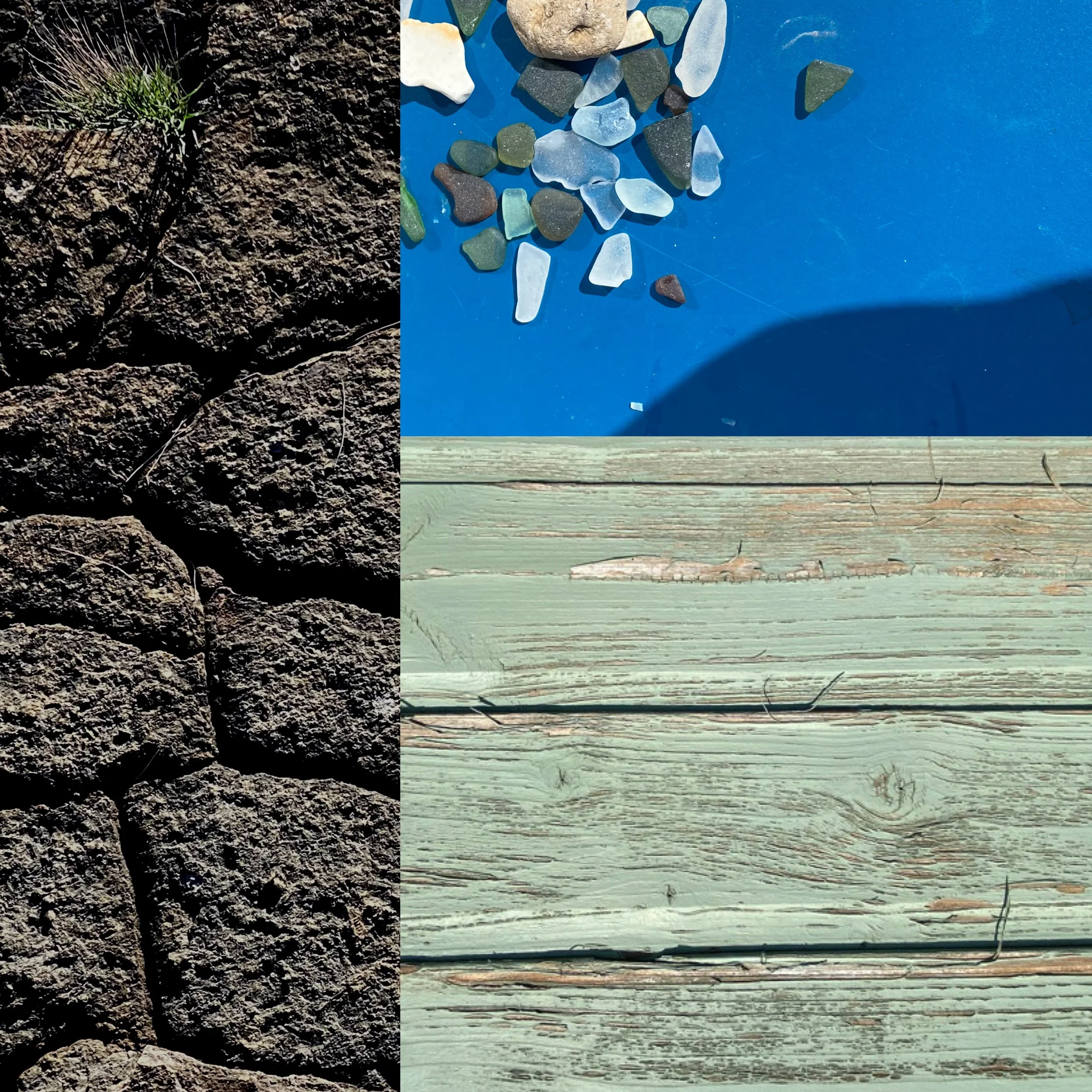
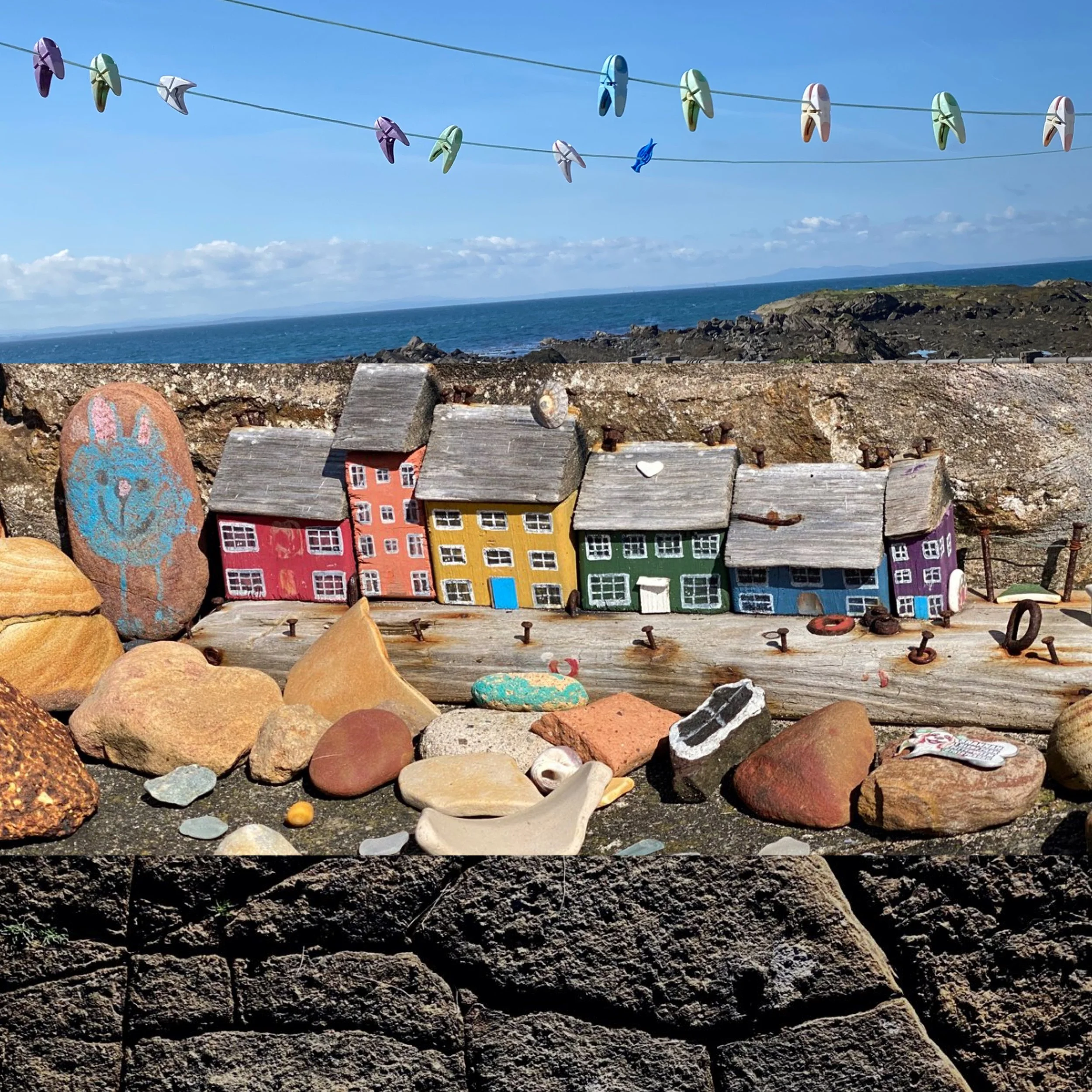
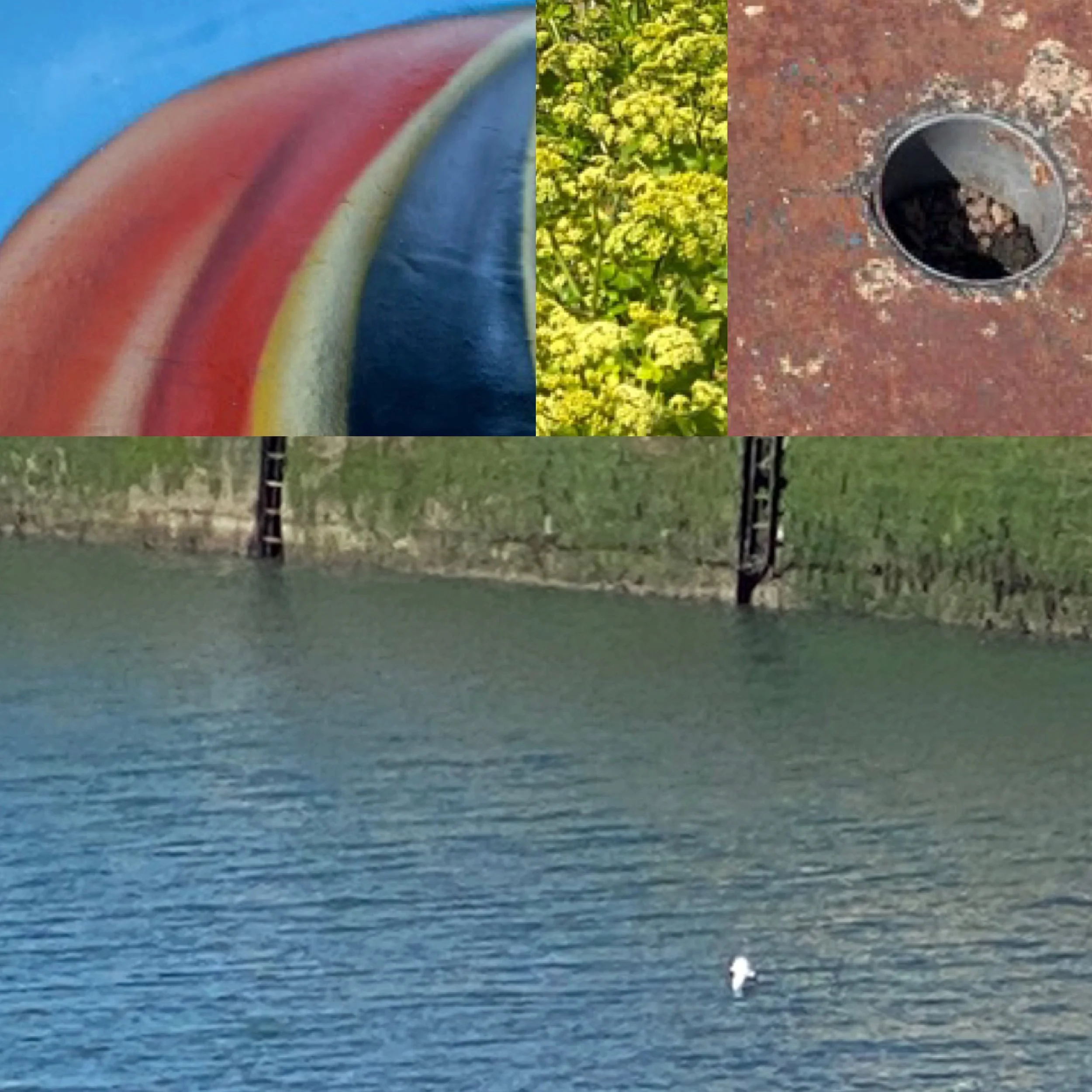
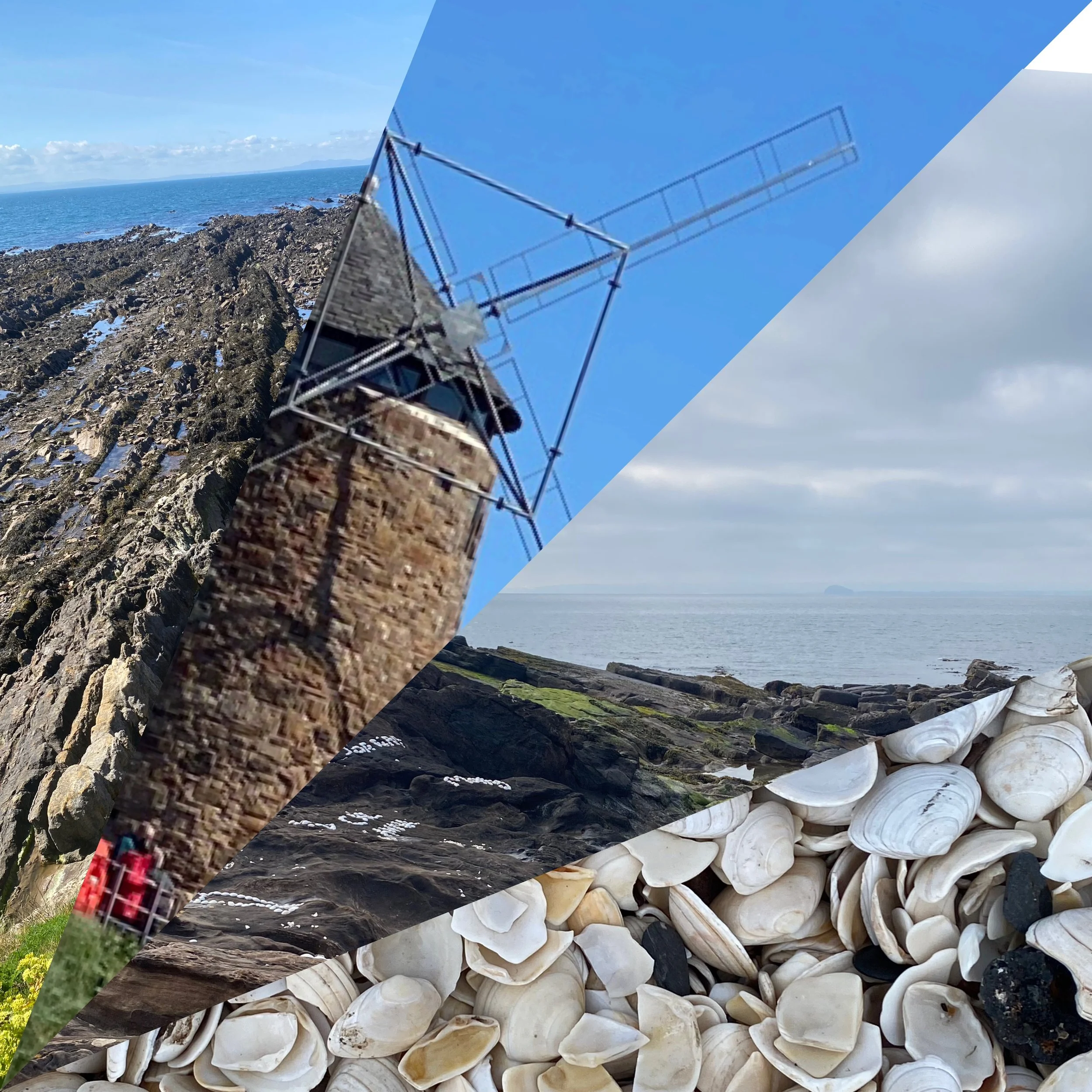
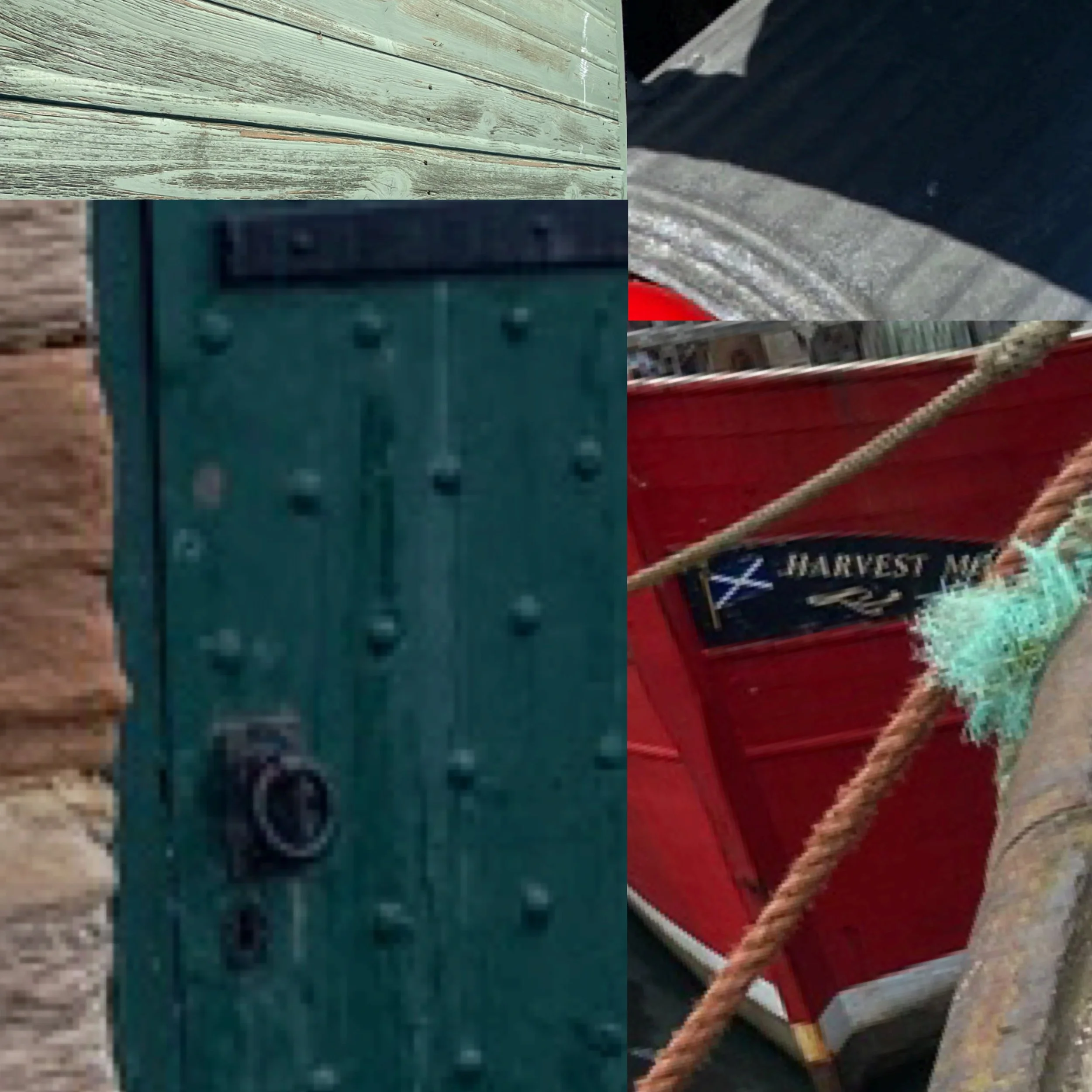
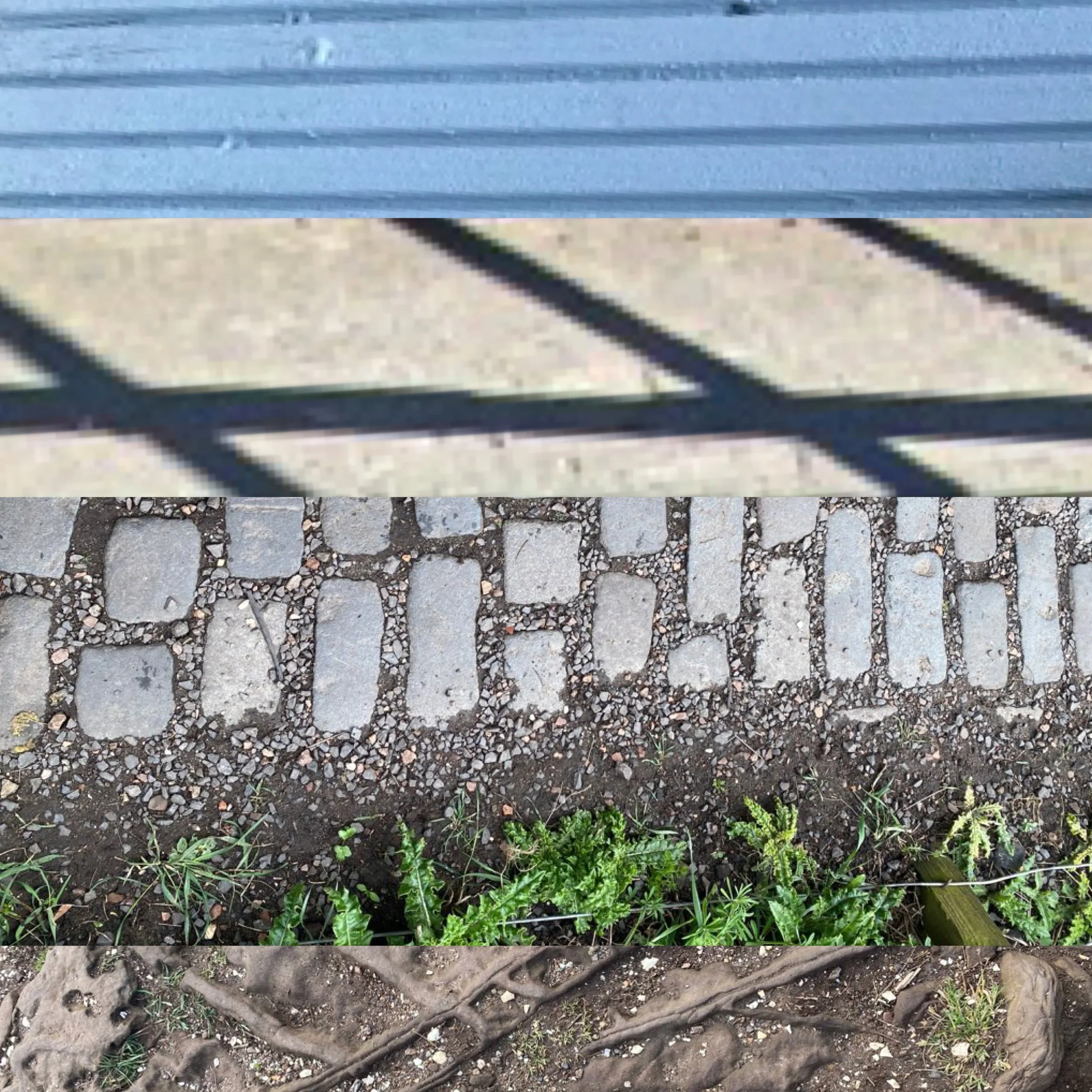
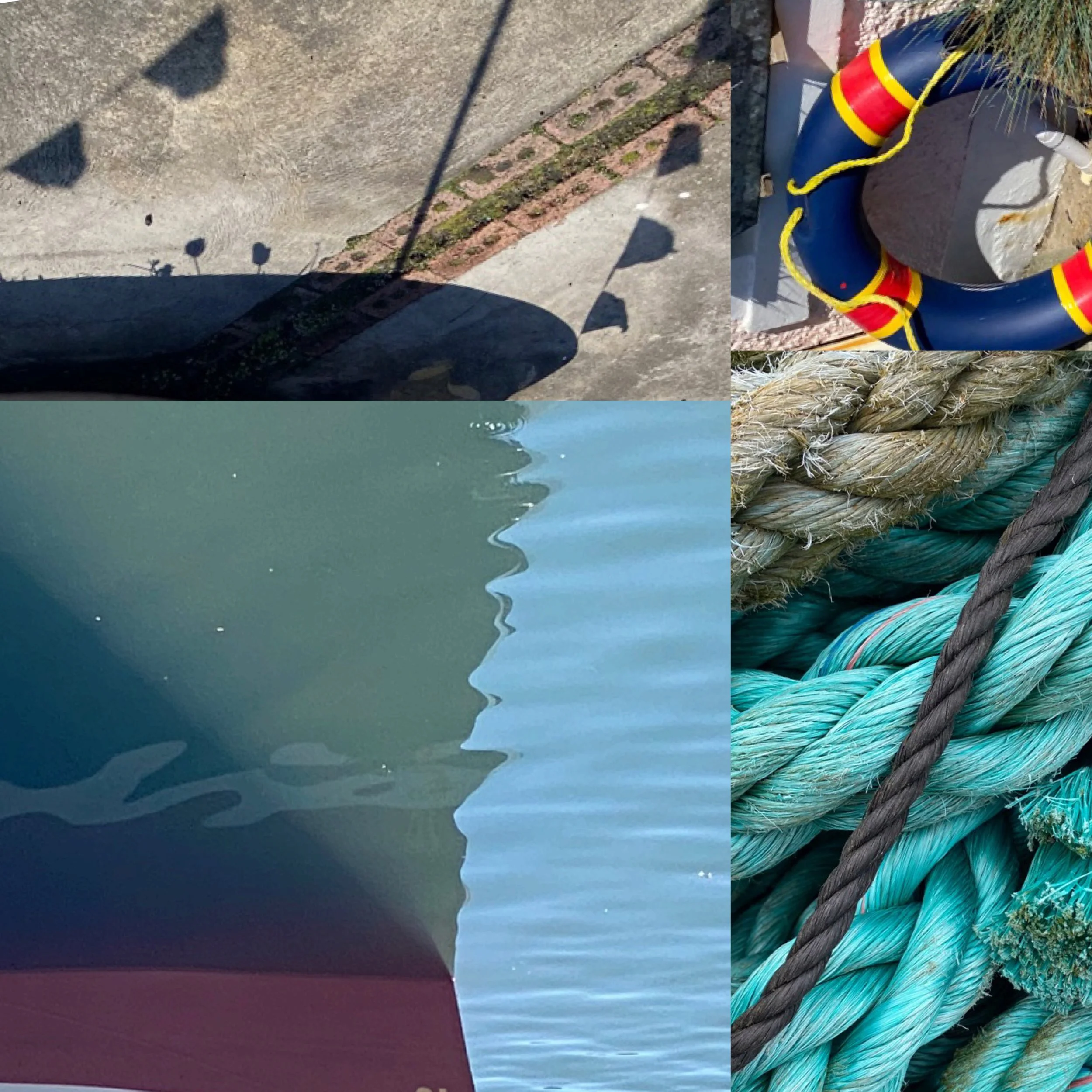
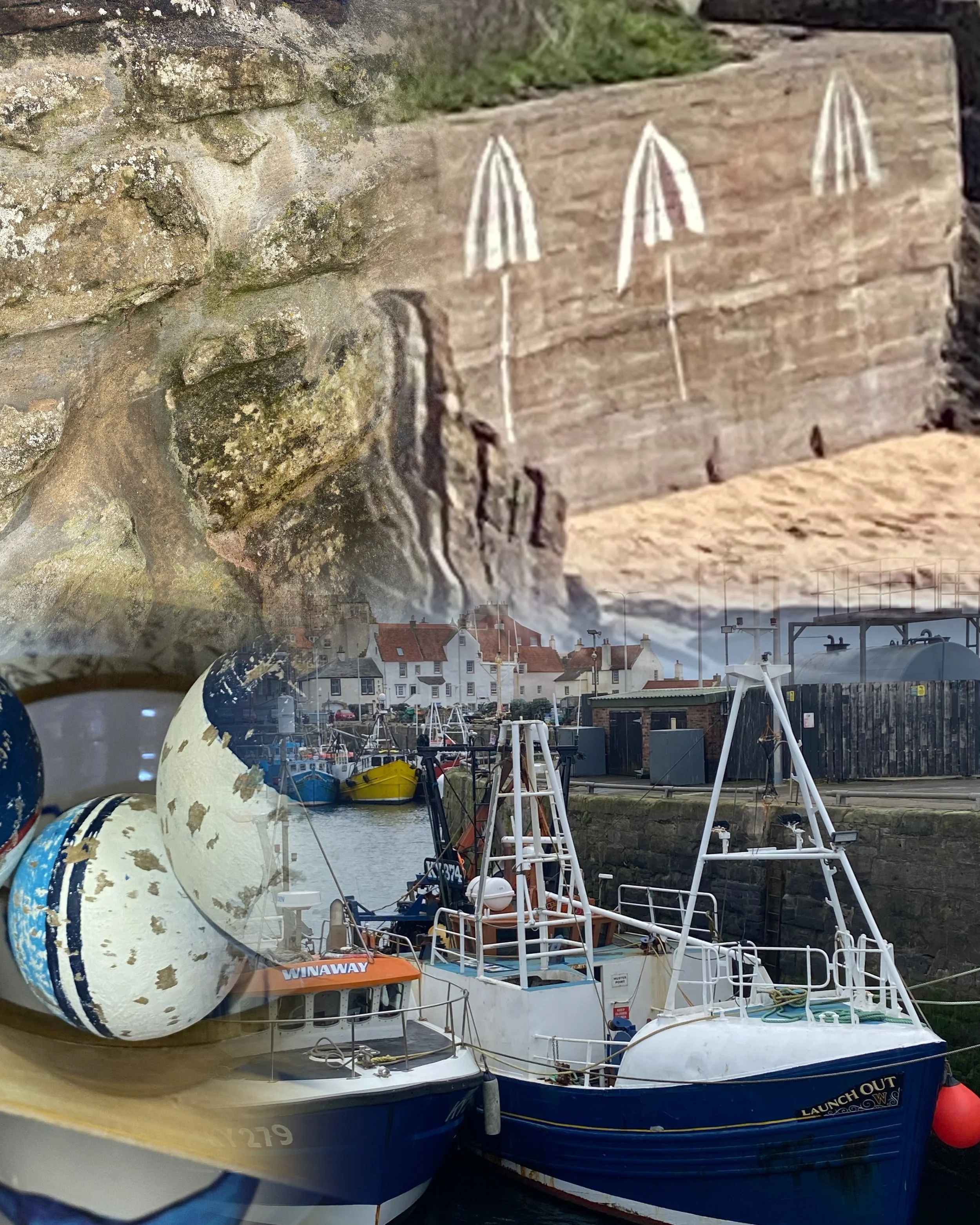
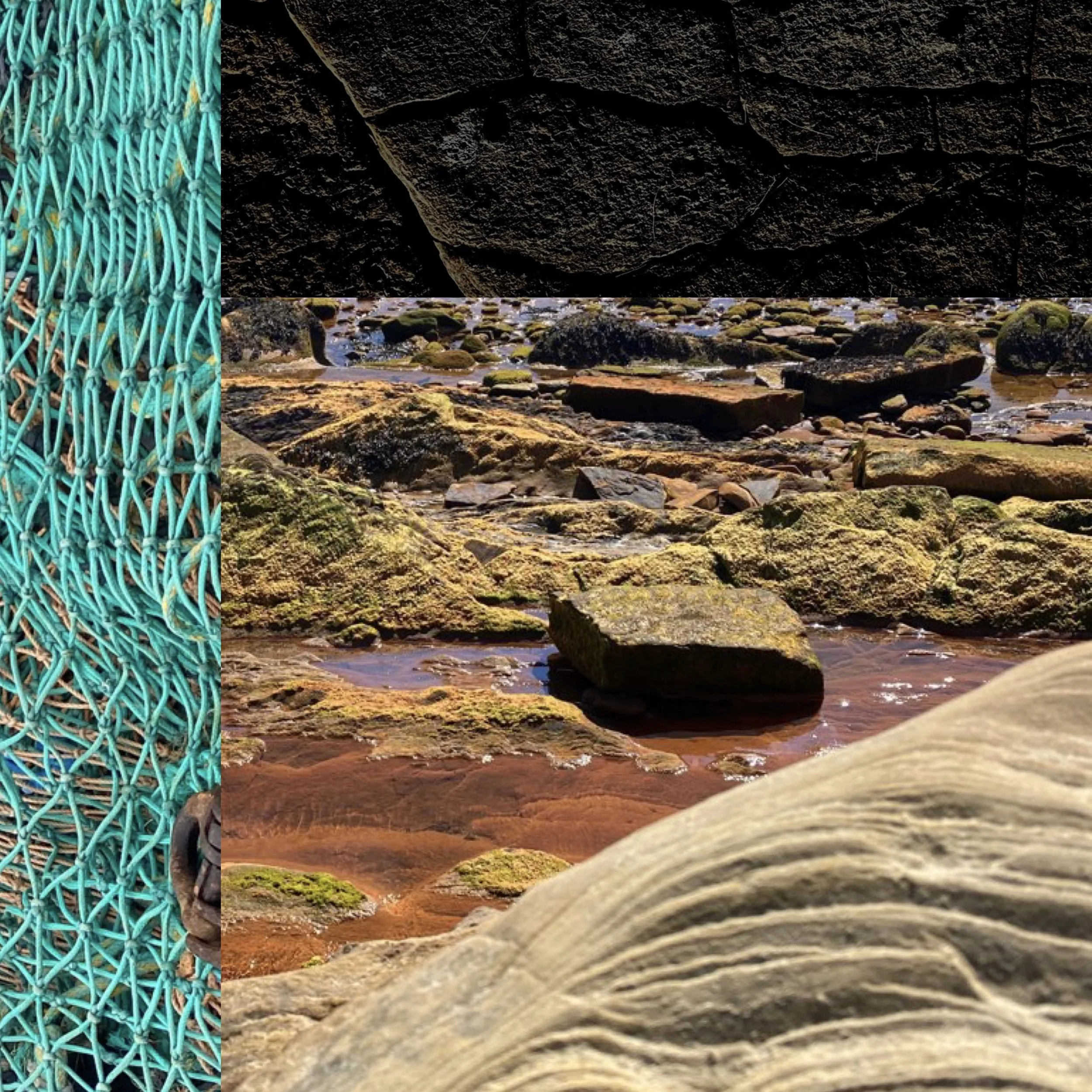
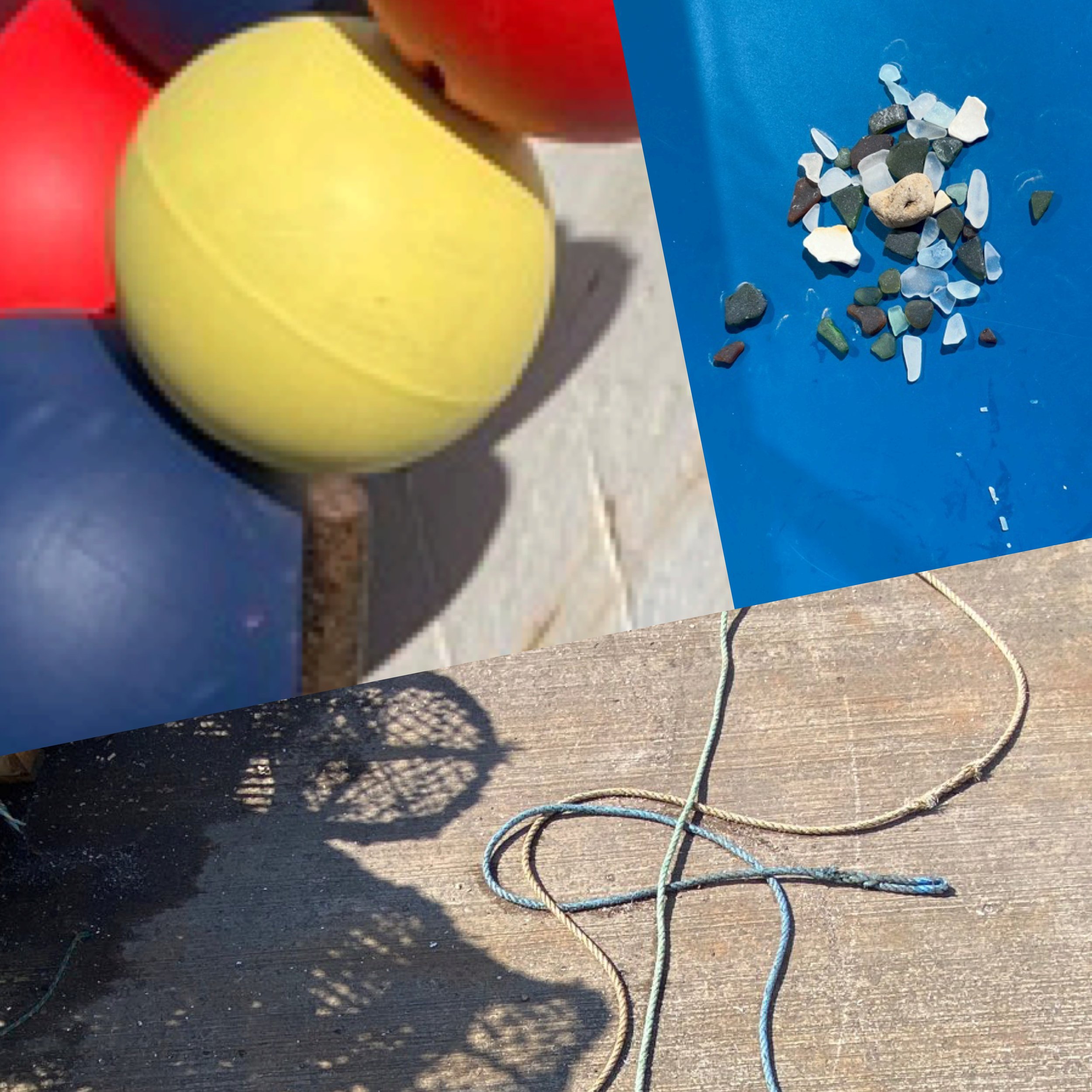
Photo Collage
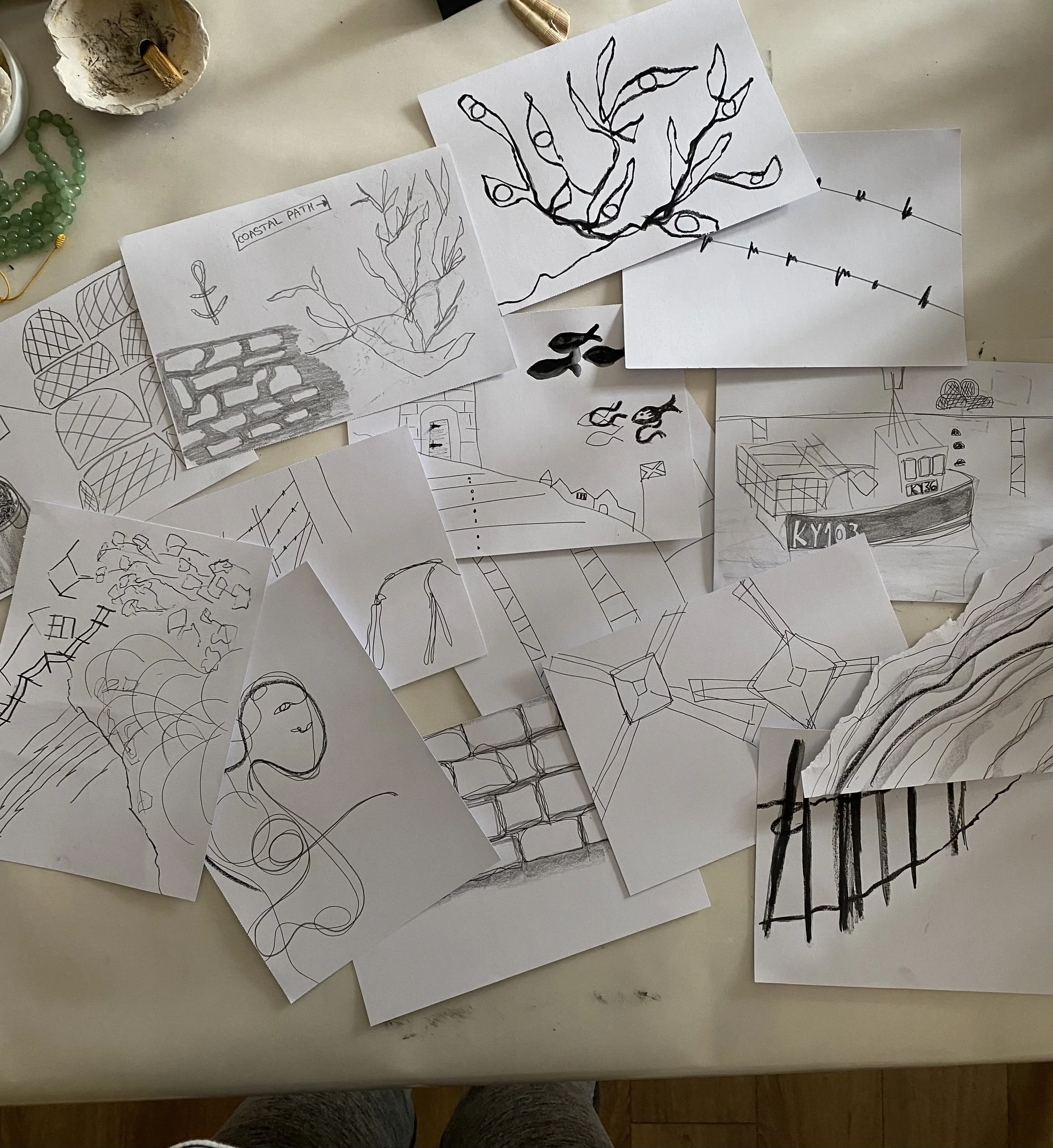
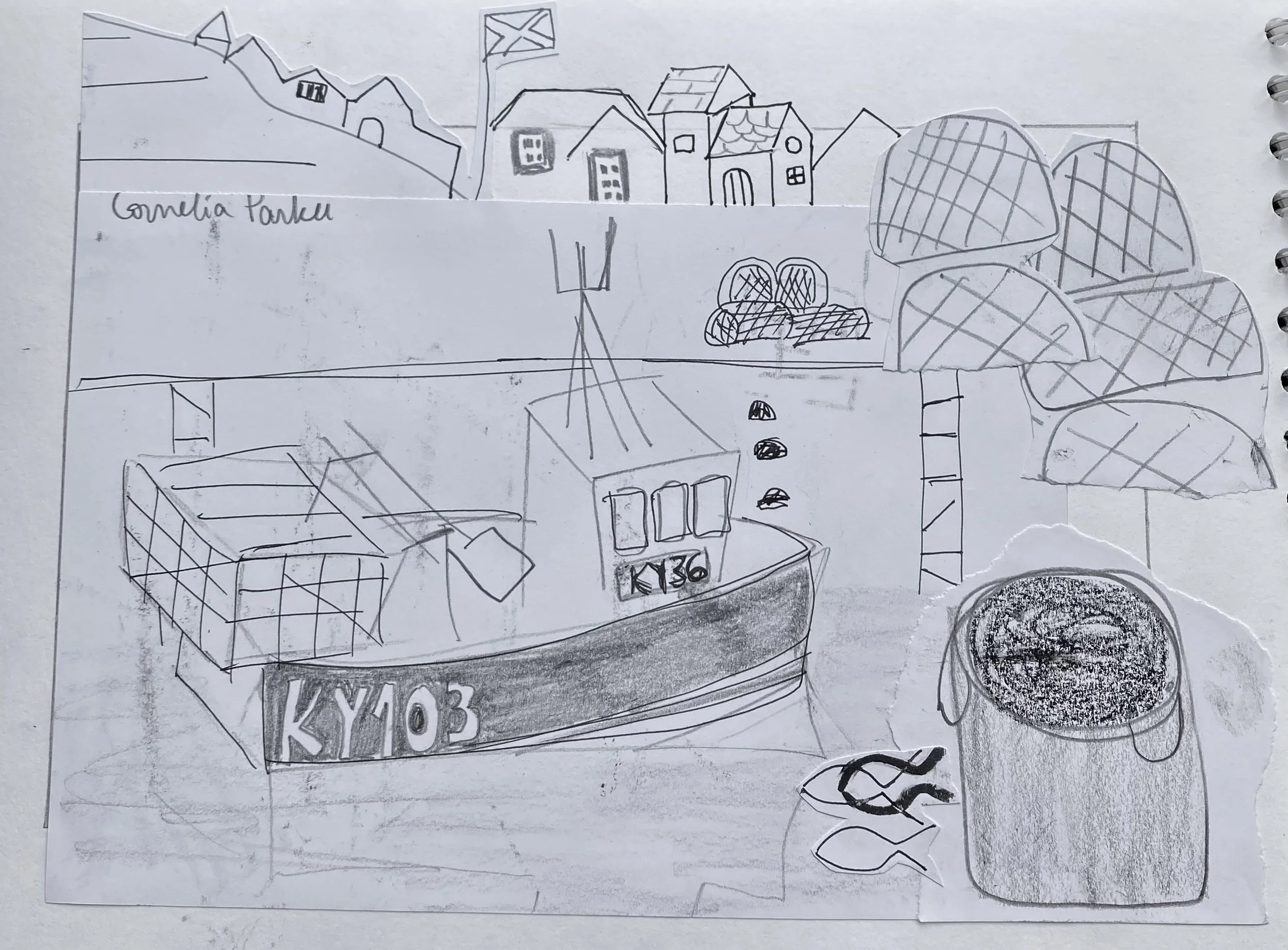
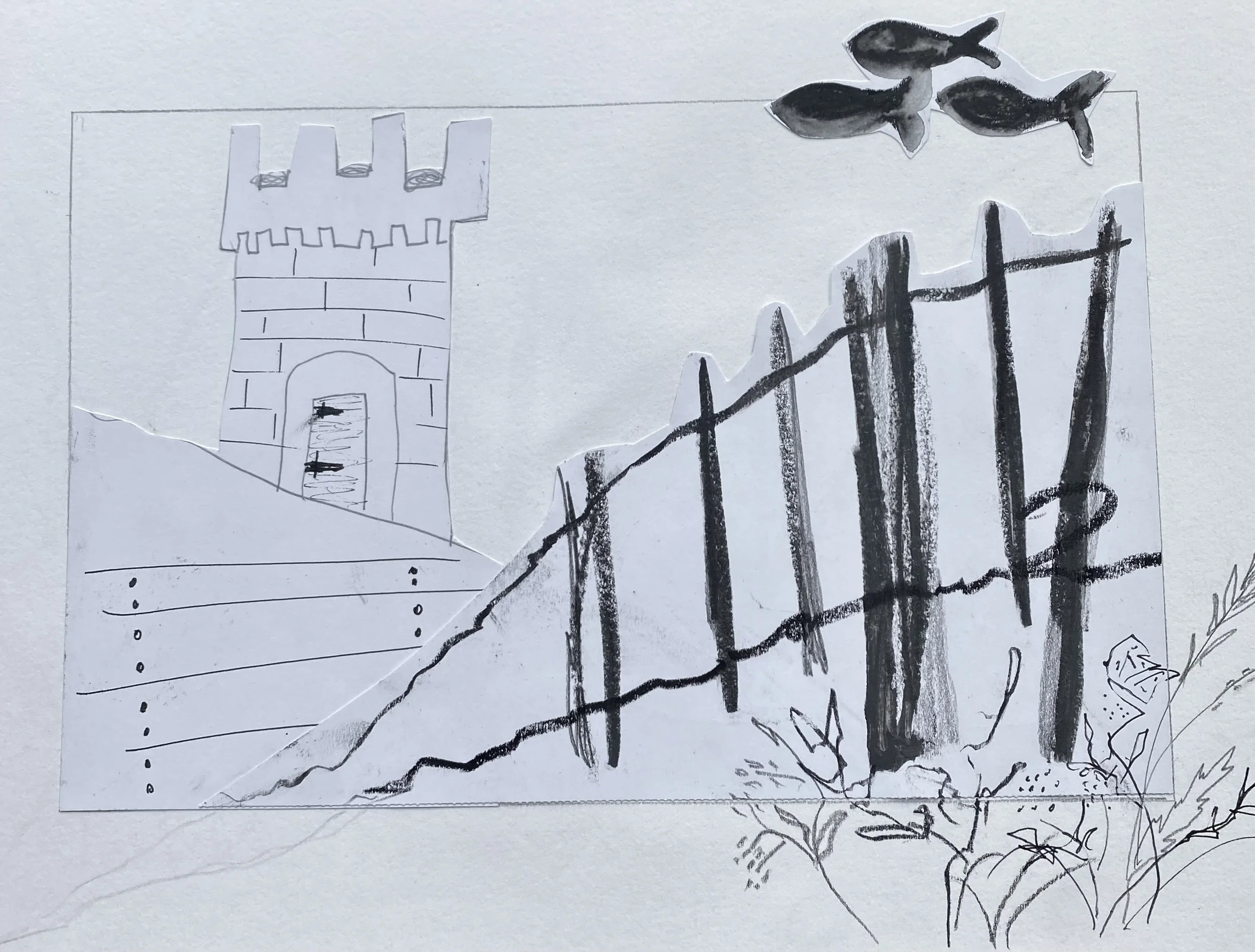
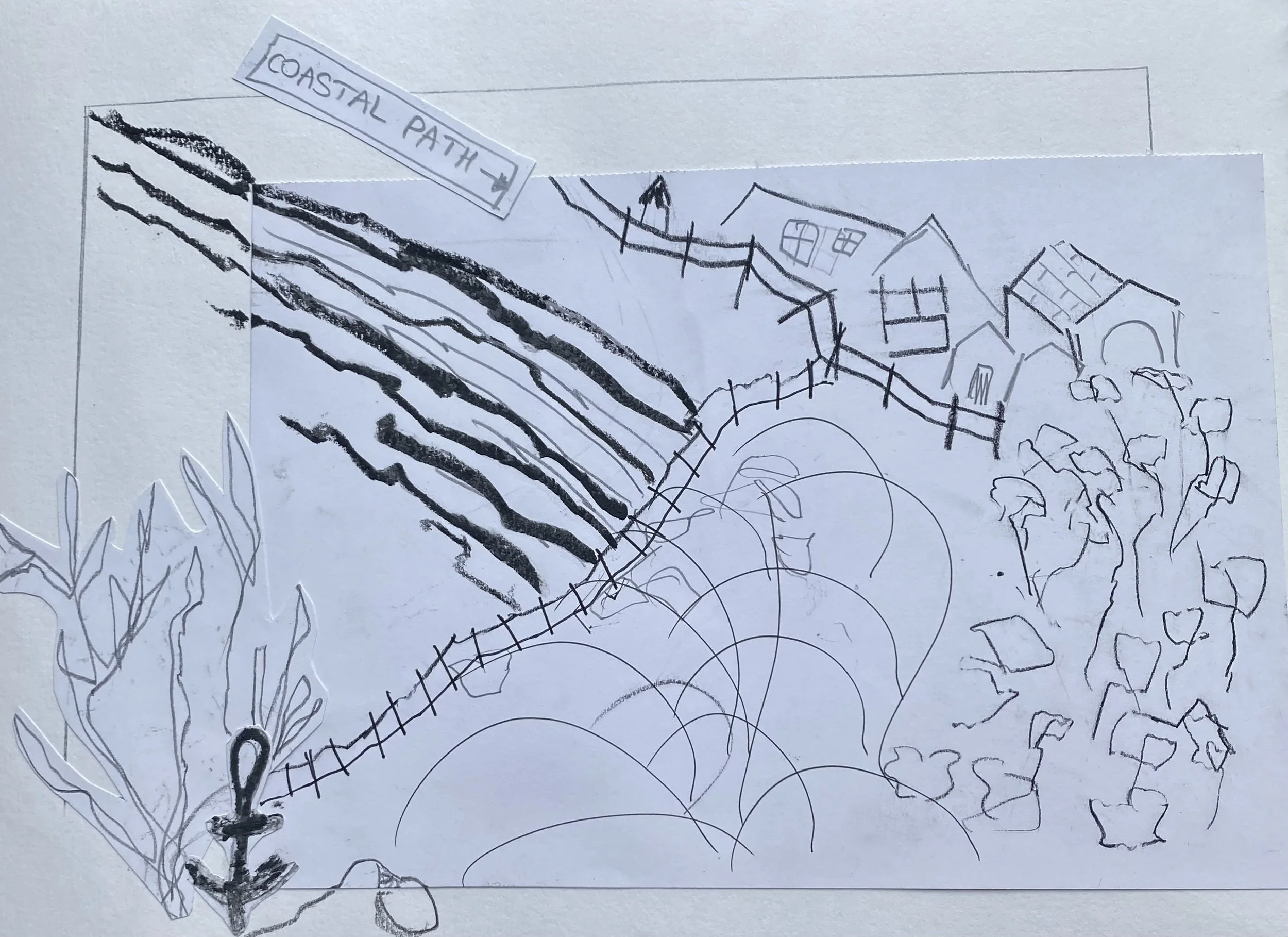
I printed both the photo grids and some images, then used them to build layered collages that began to fracture and recombine the coastline. Through cutting, rearranging, and overlapping forms, the landscape slowly shifted into something more abstract and expressive.
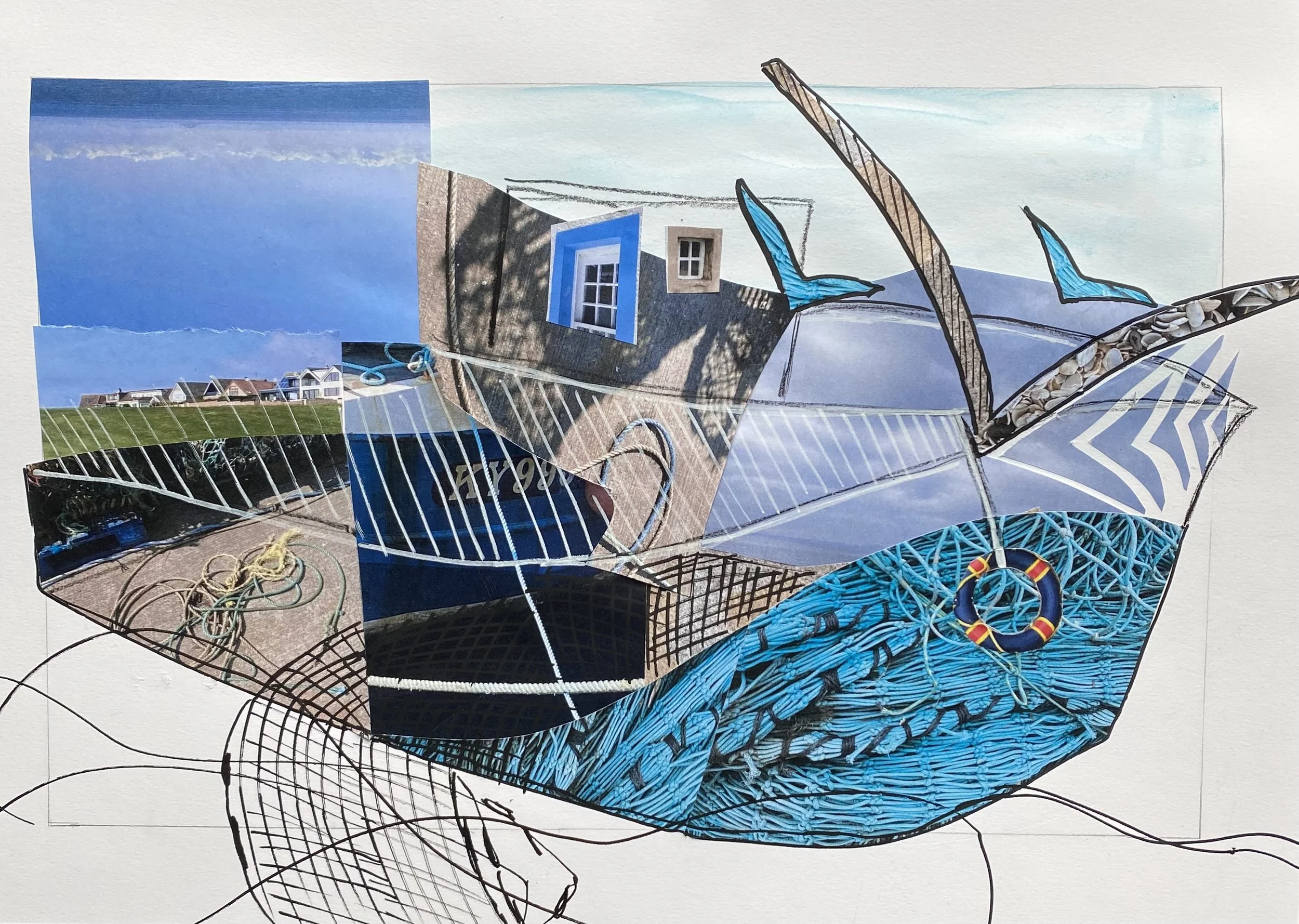
Reducing the Landscape to its Essentials
Using photos, photo grids and collages as reference, I sketched lines and shapes, pulling away the details to find the underlying architecture of the coastline.
Exploring texture in the Landscape
What stood out to me most in the landscape was the richness of its visual textures — the layered surfaces, shifting patterns, and subtle contrasts that gave the scene its character. Over the coming weeks, I plan to build on these observational studies by developing a series of abstract compositions that will gradually evolve into paintings.
As part of this process, I began preparing a range of textured materials inspired by techniques I learned through Kasia Clarke’s online courses on indirect mark-making and collage paper creation, which I highly recommend for anyone interested in expanding their experimental approach to surface and texture.
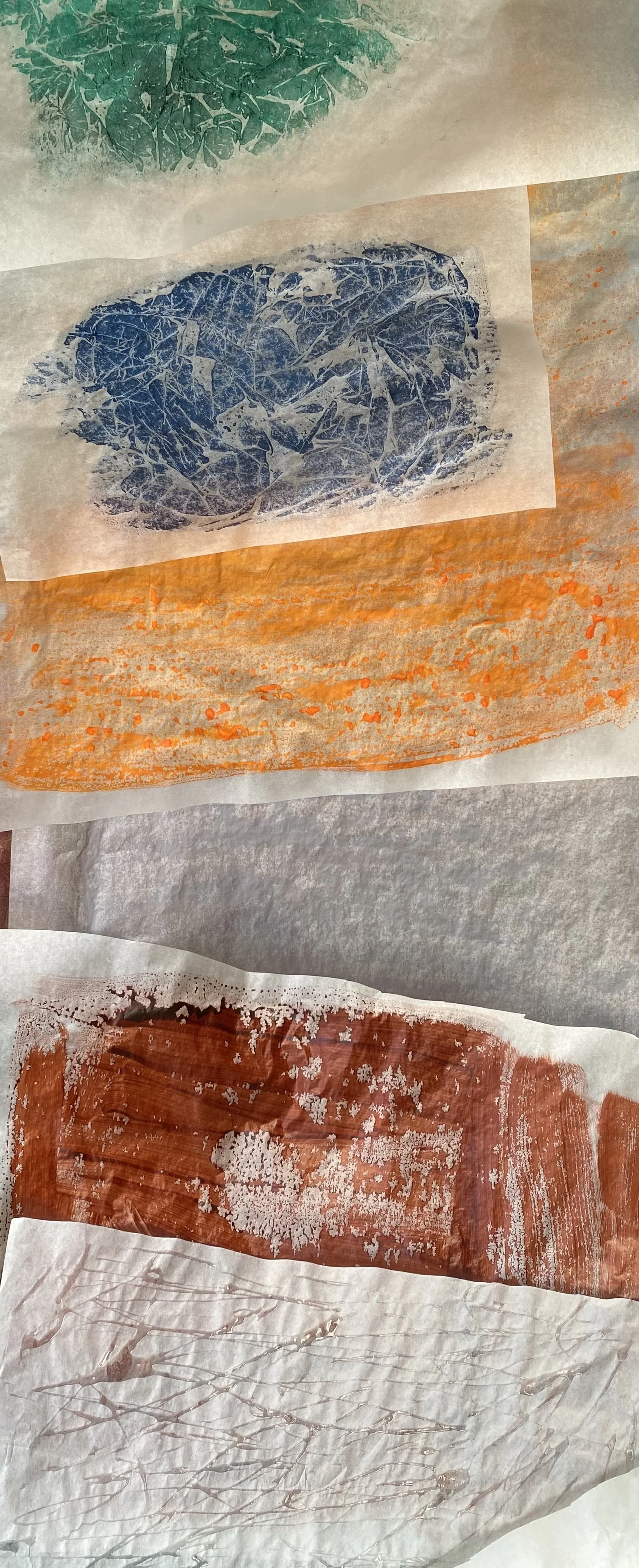
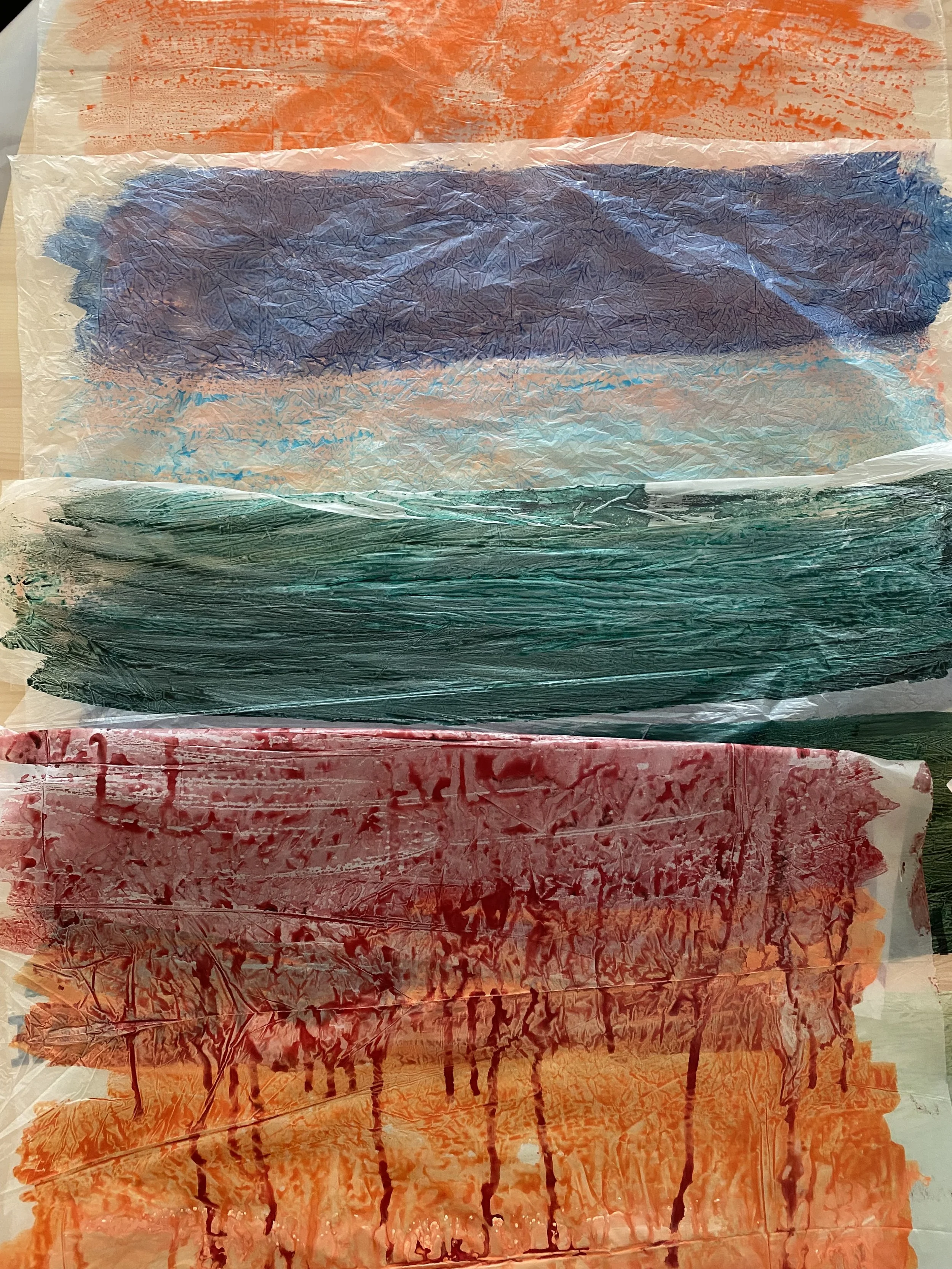
What is emerging is a process where raw material—photographs, field recordings, found objects—gradually transforms into abstraction. Each stage filters the experience: selecting, reducing, reworking, and rebuilding.
Looking Ahead
In the following weeks, I will focus on works on paper and explore how shape, colour and texture connect back to the coastal environment.
For now, I am holding onto the memory of being there: standing in a place I love, feeling the cool air on my face, hearing the water move, smelling the harbour. All of it quietly working in the background, shaping what comes next.